Smart Capsule House Trends and Innovations in 2026?
The concept of the "Smart Capsule House" is rapidly evolving. As urban areas grow denser, innovative housing solutions are crucial. According to a report by Grand View Research, the global smart home market is projected to reach over $174 billion by 2025. This growth underscores a demand for compact living solutions.
Smart Capsule Houses leverage technology to enhance comfort and efficiency. These units are designed with space-saving features. They often include integrated smart systems for lighting and climate control. Research from Statista highlights that about 20% of consumers prioritize smart home technology in their housing decisions. Yet, challenges persist. Not everyone can afford these advanced designs.
There’s also a risk of over-reliance on technology. What happens when these systems fail? Residents may find themselves in compromised situations. While Smart Capsule Houses promise modern living, questions remain about their long-term viability in diverse communities. As we explore trends for 2026, it’s essential to balance innovation with accessibility and resilience.
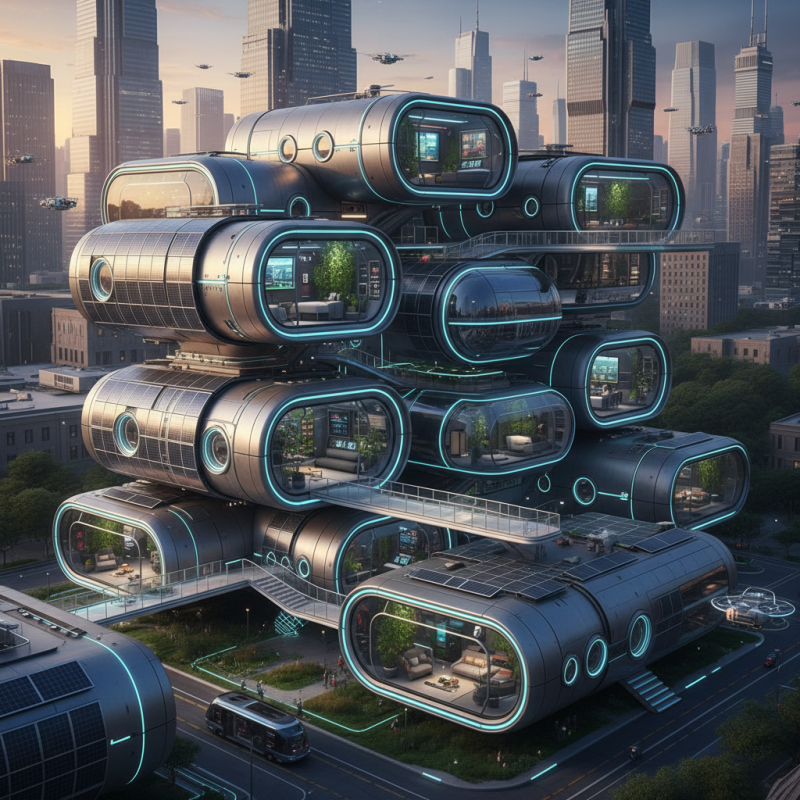
Emergence of Smart Capsule Houses in Urban Environments
Emerging smart capsule houses are reshaping urban living. These compact, modular homes offer innovative solutions for space and efficiency. Research indicates that around 60% of urban residents seek affordable housing options that fit their lifestyles. Smart capsule houses address this desire by maximizing the use of small spaces.
These homes incorporate technology to enhance comfort. Features such as automated lighting, climate control, and smart security systems are becoming standard. However, the implementation of these technologies can sometimes lead to technical glitches. For example, a recent survey revealed that 30% of users experience issues with smart home integration. It’s crucial for designers to prioritize user experience.
Tip: Consider your needs when choosing a smart capsule home. Think about how much technology you want. Too much can complicate daily life. Aim for a balance between innovation and simplicity. Also, be aware of potential downsides. Compact living can feel restrictive for some people. It’s essential to reflect on what suits your lifestyle best.
As urban populations grow, the capsule house trend may become more prevalent. Yet, it’s vital to address the challenges that come with such living arrangements. Preferences and needs will vary widely, requiring continuous adaptation in design.
Key Technological Innovations Driving Smart Capsule Design
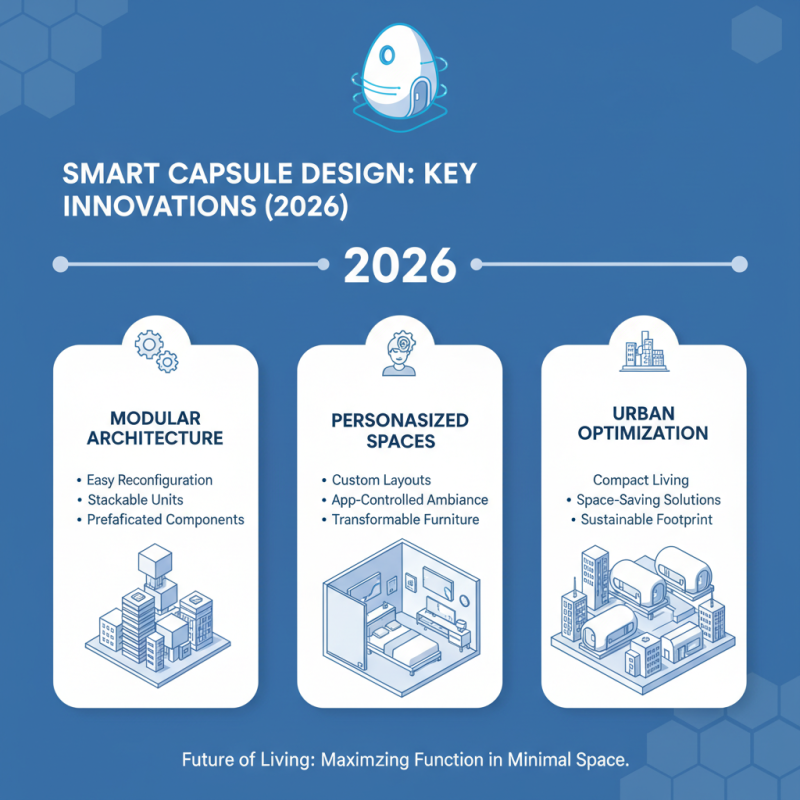
In 2026, smart capsule houses are redefining living spaces. These innovative designs focus on maximizing functionality in minimal areas. Modular units are becoming popular, allowing for easy reconfiguration. Residents can customize layouts to suit their needs. This flexibility is appealing, especially in urban environments where space is limited.
Key technological innovations are transforming these capsules. Integrated smart home systems manage energy, lighting, and climate automatically. Voice-activated assistants streamline daily tasks, enhancing convenience. However, reliance on technology raises questions about privacy and security. Some worry about data collection practices.
Sustainability is another focal point. Many designs incorporate eco-friendly materials. Solar panels are common, promoting energy independence. Yet, the trade-off might be the cost of these advanced features. Innovative technologies often lead to higher price tags. Essential discussions about accessibility and affordability are necessary. Residents must not only embrace these technologies but critically evaluate their implications.
Sustainability Practices Integrated into Smart Capsule Living
As we move into 2026, smart capsule houses are gaining traction. These compact living spaces focus heavily on sustainability. They're designed for minimal environmental impact. Energy-efficient materials are being used more frequently. Solar panels are often part of the design, generating renewable energy on-site. Water-saving devices are also becoming standard.
Living in a smart capsule doesn't mean sacrificing comfort. Innovative design allows for multifunctional furniture. Foldable tables and beds save space and enhance utility. However, some designs may feel too cramped for some. How do we balance minimalism with comfort? This question is essential for the future.
Sustainability practices are more than just features. They require a shift in mindset. Residents must adapt to using less. Waste reduction is vital. Recycling facilities within the community are becoming common. Urban farming on rooftops shows promise. Still, not everyone is on board. It can be challenging to break old habits.
Impact of Smart Capsule Houses on Affordable Housing Solutions
As we look toward 2026, smart capsule houses are emerging as a potential solution for affordable housing. These compact living units offer innovative designs that maximize functionality within limited space. They often feature modular components, allowing customization based on individual needs. The appeal of such homes is strong, especially for young professionals and students seeking a cost-effective lifestyle.
However, challenges remain. The technology required for smart homes can drive costs up. Not everyone can afford the latest features, which might limit accessibility. Additionally, some people feel uncomfortable with the idea of living in such confined spaces. Social acceptance is crucial for the success of smart capsule houses.
Moreover, urban planning must adapt to integrate these homes effectively. Cities need to rethink zoning laws and infrastructure. Public perception also plays a vital role. It’s important to consider whether these houses can truly meet community needs. Engaging with potential residents could provide valuable insights but may not always be straightforward. Balancing innovation with community concerns requires careful thought and planning.
Smart Capsule House Trends and Innovations in 2026
| Trend/Innovation |
Description |
Impact on Affordable Housing |
Expected Adoption Rate |
Year of Implementation |
| Modular Construction |
Utilizing prefabricated units to reduce construction time and costs. |
Decreases housing costs while increasing supply. |
65% |
2026 |
| Smart Technology Integration |
Incorporating IoT devices for energy efficiency and convenience. |
Enhances living quality while reducing utility costs. |
70% |
2026 |
| Sustainable Materials |
Use of eco-friendly and recycled building materials. |
Promotes environmental sustainability and lower costs. |
60% |
2026 |
| Compact Living Solutions |
Designing units that maximize space efficiency. |
Addresses urban housing shortages in densely populated areas. |
75% |
2026 |
| Community-Centric Designs |
Focus on creating shared spaces for community interaction. |
Encourages social engagement while providing affordable options. |
55% |
2026 |
Future Trends in Smart Capsule House Customization and User Experience
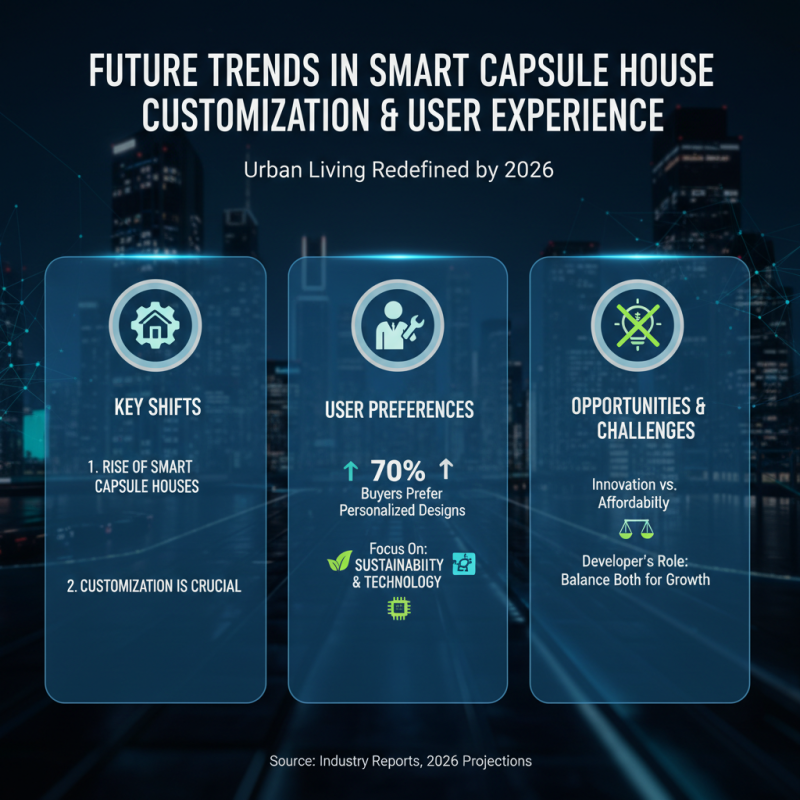
The rise of smart capsule houses signifies a shift in urban living. By 2026, customization will play a crucial role in user experience. Reports state that 70% of buyers prefer personalized designs, focusing on sustainability and technology integration. This presents both opportunities and challenges. Developers must balance innovation with affordability.
Smart capsule houses will integrate AI and IoT technologies. These features will enhance user convenience and energy efficiency. Yet, user privacy concerns are rising. Data leaks and surveillance may deter potential buyers. The industry must address these issues to build trust among consumers.
Customization trends will also prioritize aesthetic details. Features like adaptable lighting and modular furniture are increasingly popular. However, with each trend, there is a risk of overcomplicating simple living spaces. Balancing technology with comfort remains essential. As the market evolves, understanding user needs will be crucial for lasting success.