What is a Modular Space Capsule Home and How Does It Work?
The concept of a Modular Space Capsule Home is transforming modern living. These homes are compact and designed for efficiency. According to industry reports, the global modular housing market is projected to grow by over 6% annually. This trend reflects a growing preference for sustainable, flexible living solutions.
Modular Space Capsule Homes offer unique features. They can be customized to fit various lifestyles and needs. These structures are built off-site, ensuring faster construction times and reduced waste. However, challenges remain. Limited space can make functional design tricky. Additionally, not everyone may find this style appealing.
Amid rising urbanization, there is a real need for innovative housing solutions. The expense of traditional homes often leaves many people priced out. Modular homes may provide an answer, yet some may question their long-term viability. Embracing this new trend requires an open mind and careful consideration.
What Defines a Modular Space Capsule Home?
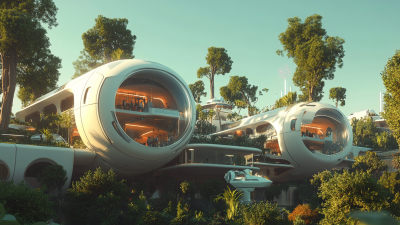
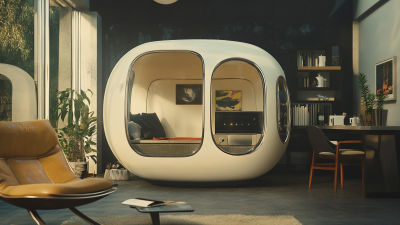
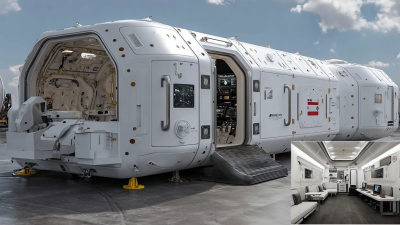
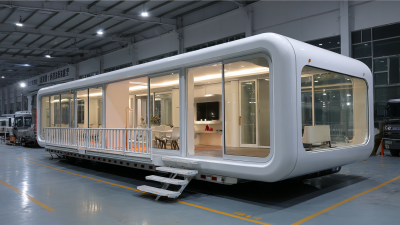
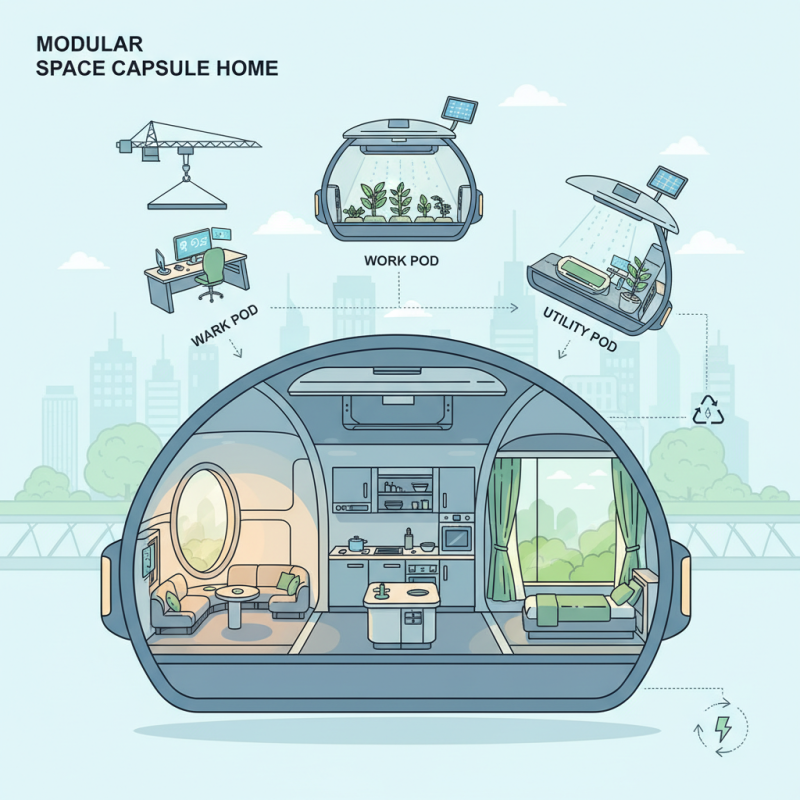
A modular space capsule home is a unique living solution designed for versatility. Each module is a self-contained unit that can function independently. These homes often come in sleek, futuristic designs, resembling spacecraft. Materials used are typically lightweight and durable, ensuring mobility and sustainability. Inside, you can find cleverly designed spaces that maximize functionality, making the most of limited square footage.
What defines such a home? The modular approach allows for customization. Homeowners can mix and match modules to create their dream space. However, the challenge lies in balancing personal preferences with practical constraints. Sometimes, the aesthetic aspirations clash with living needs. Each space capsule may lack traditional elements, leading to both innovation and discomfort. There’s beauty in the design, but also a need for adjustment.
Costs can also be a concern. While the concept is appealing, affordability varies. Buyers must weigh their options carefully. This could mean compromising on certain features. In this blend of modernity and minimalism, one might find joy and frustration. Ultimately, a modular space capsule home is not just a dwelling; it’s a lifestyle choice filled with potential and ponderings.
Key Features of Modular Space Capsule Design and Functionality
A modular space capsule home is an innovative solution for modern living. It emphasizes efficiency and adaptability. Designed to meet the demands of diverse lifestyles, these structures use advanced materials and construction techniques. They can be assembled or disassembled quickly, which offers flexibility for various living scenarios.
Key features of a modular space capsule include its compact size and multifunctional spaces. Research shows that micro-living is on the rise. In fact, by 2023, around 25% of urban dwellers are expected to live in small-scale housing. These capsules often feature customizable interiors, allowing occupants to personalize their space easily. Many designs incorporate sustainable energy solutions as well. Solar panels and energy-efficient appliances are common. Yet, the reliance on innovative technologies raises questions about accessibility for everyone.
Another noteworthy aspect is the space design. The capsule’s structure often enhances natural light and ventilation. However, this may lead to privacy concerns. As more people explore this living option, feedback highlights a demand for improved thermal comfort and sound insulation. Implementing these changes may take time. It's important to continually assess user experiences to refine the overall design. Preparing for the future of living requires constant innovation and reflection on current shortcomings.
Key Features of Modular Space Capsule Homes
Industry Trends: Market Growth and Consumer Interest in Space Capsule Homes
The market for space capsule homes is gaining momentum. Recent reports indicate a projected growth rate of 25% over the next five years. This interest is fueled by both environmental concerns and the desire for unique living spaces. More consumers are looking for alternative housing solutions that minimize their carbon footprint.
Tips for potential buyers: Research local regulations before investing. Understand zoning laws and any potential hurdles. These homes might require specific permits. Additionally, examine the sustainability aspects of any product you consider.
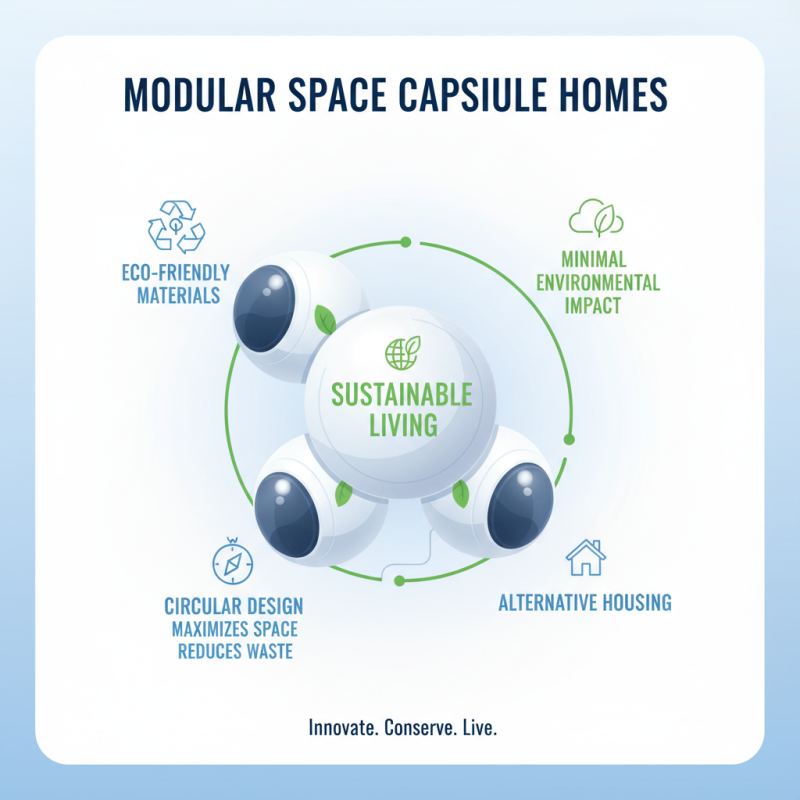
The design of modular capsule homes speaks to minimalism. They often feature eco-friendly materials and customizable spaces. However, these homes may not suit everyone. The compact design can feel restrictive for larger families. It's essential to weigh the benefits against the potential drawbacks carefully.
Technological Innovations Enhancing Modular Space Capsule Efficiency
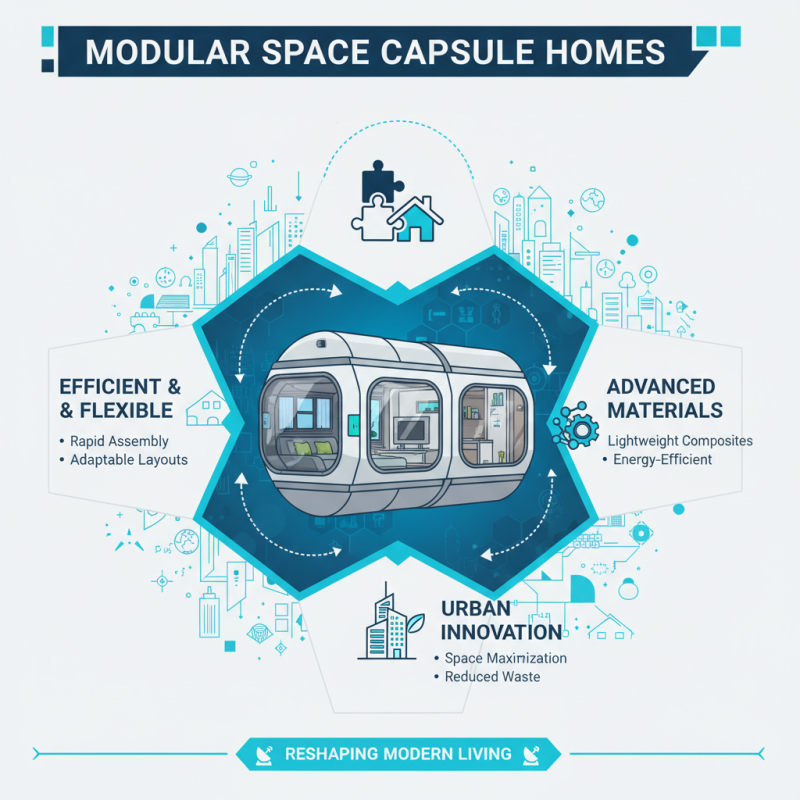
Modular space capsule homes are reshaping modern living through innovative technology. They offer efficient, flexible housing solutions, especially in urban areas. By utilizing advanced materials, these homes maximize space while minimizing waste. For instance, many use lightweight composites that are both durable and energy-efficient. This approach allows for rapid assembly and disassembly.
Integration of smart technology enhances these homes further. Systems for energy management adapt to real-time usage. Smart sensors control lighting and temperature, ensuring comfort while reducing consumption. However, not all technologies work seamlessly. Some residents report challenges with connectivity and user interfaces. It often requires adjustments and a learning curve.
Additionally, sustainability is a driving factor. Modular homes can incorporate green roof systems and rainwater harvesting. Yet, the initial costs can be a hurdle for some. A balance must be struck between innovation and affordability. Designers must continue to refine these concepts to ensure they meet diverse needs. This ongoing evolution is crucial for achieving more efficient living spaces.