How to Choose the Right Conveyor Belt Rollers for Your Needs?
Choosing the right conveyor belt rollers is crucial for your operation. The right rollers ensure efficiency and longevity. In various industries, conveyor belt rollers handle materials of different weights and sizes. They come in diverse designs and materials, influencing their performance.
Consider the specific needs of your application. Factors like load capacity and speed matter. If the rollers do not match your conveyor system, issues can arise. For instance, a mismatch may lead to increased wear and frequent breakdowns. Understanding the environment where the conveyor operates is also vital.
Investing time in selecting suitable conveyor belt rollers pays off. An informed choice can enhance productivity and minimize costs. Reflect on the requirements before making a decision. Each detail counts; don't overlook them.
Understanding Conveyor Belt Rollers and Their Functions
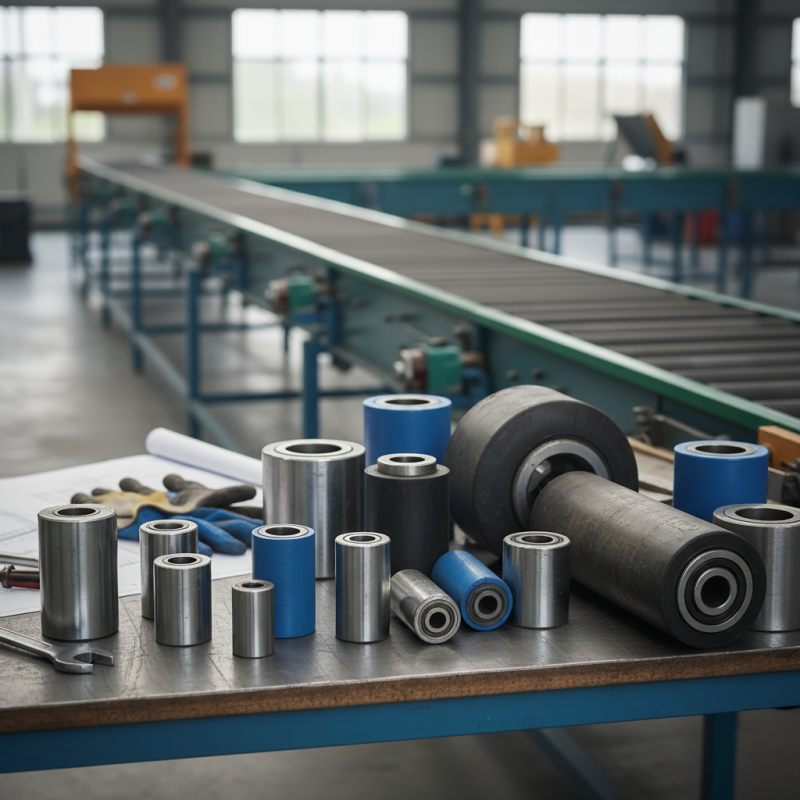
Conveyor belt rollers play a crucial role in material handling systems. They support the conveyor belt and facilitate the smooth movement of goods. Understanding their function is essential for selecting the right rollers. Rollers come in various types, including impact, return, and guide rollers. Each type serves a specific purpose to enhance the conveyor’s efficiency.
Impact rollers absorb shocks from heavy loads, while return rollers help keep the belt tensioned. Guide rollers assist in maintaining the proper alignment of the belt. The choice of roller affects operational efficiency and maintenance costs. Not all rollers fit every situation. Consider the load capacity, environment, and material type. Sometimes, selecting the wrong roller can lead to increased wear or malfunction.
Inspecting rollers regularly can prevent issues. Look for signs of wear, rust, or misalignment. These factors can compromise system performance. A roller that seems adequate might not suit your specific needs. It's vital to assess your requirements carefully and seek advice if needed. This ensures your conveyor system operates efficiently without unnecessary disruptions.
Identifying Your Specific Conveyor System Requirements
Choosing the right conveyor belt rollers starts with understanding your specific system requirements. Assess the load capacity needed. This will help you determine the roller's size and strength. Consider the type of materials transported. Are they lightweight or heavy? This impacts roller selection significantly.
Tips: Check the environment where the conveyor operates. Is it dry or wet? A harsher environment may require specialized rollers. Ensure they resist corrosion and wear. Look for features that enhance durability. Quality matters but may come with a higher cost.
Don't forget to evaluate your conveyor speed. Faster belts might need different roller designs. Was your previous choice adequate? Reflecting on this can help avoid future issues. Explore options that allow for easy installation and maintenance. Remember, a roller that fits correctly will perform better. Adjusting your approach can lead to more efficient operations.
How to Choose the Right Conveyor Belt Rollers for Your Needs?
| Dimension | Material | Roller Type | Load Capacity (lbs) | Application |
| 3" Diameter | Steel | Standard Roller | 2000 | Heavy Duty |
| 2" Diameter | Plastic | Low Friction Roller | 1000 | Lightweight Applications |
| 4" Diameter | Aluminum | Gravity Roller | 1500 | Package Handling |
| 5" Diameter | Rubber | Impact Roller | 2500 | Bulk Materials |
| 3" Diameter | Stainless Steel | Corrosion Resistant Roller | 1800 | Food Handling |
Evaluating Material Types for Optimal Roller Performance
When selecting conveyor belt rollers, material type plays a crucial role in performance. Different materials bring distinct benefits and drawbacks. For instance, steel rollers are sturdy and long-lasting. They handle heavy loads well but may be prone to rust if not maintained properly. On the other hand, plastic rollers offer corrosion resistance but can wear out faster under extreme conditions.
Rubber rollers are another option, known for their ability to reduce noise and provide a better grip. However, they are less durable in high-temperature environments. Evaluating the specific conditions in which your conveyor system operates can help you make an informed decision. Consider factors like load weight and environmental exposure.
Beyond material, it's essential to also assess the roller design. Some designs may not fit your existing system. This can lead to operational inefficiencies. It’s worth revisiting your requirements periodically. This is about finding balance. Sometimes, a compromise on material type can improve the overall system’s functionality.
Comparing Roller Designs and Their Impact on Efficiency
When selecting conveyor belt rollers, the design plays a crucial role in efficiency. Various roller designs can significantly affect load handling, wear resistance, and energy consumption. For instance, smooth rollers often reduce friction. However, they may not provide enough grip for certain materials. This can lead to slippage and increased wear on both the conveyor and the material being transported.
On the other hand, patterned or textured rollers can enhance grip. They are ideal for materials that are heavy or prone to sliding. Nevertheless, their design may also create friction, resulting in higher energy consumption. Choosing the right type of roller requires careful consideration of the specific application. Is the conveyor handling fragile items? Or is it meant for heavy-duty loads? Understanding these factors will ensure smoother operations.
Moreover, roller material can impact durability. Steel rollers are long-lasting but heavy. Lightweight alternatives can be more efficient, yet they might wear out quicker. Assessing both operational costs and longevity is essential. Some designs may seem perfect on paper but could lead to unforeseen challenges. Always reflect on these aspects to find the best fit for your needs.
Selecting the Right Dimensions and Specifications for Your Rollers
When choosing conveyor belt rollers, dimensions and specifications are crucial. Start with the roller diameter. This measurement significantly affects the belt's performance and the load it can carry. Larger diameters often offer better support and reduce friction. However, they might not fit all setups. Evaluate your existing infrastructure before making a decision.
Next, consider the roller length. It should accommodate the width of the conveyor belt. A mismatch can lead to wear and tear. Check your load requirements too. Heavy loads need sturdier, wider rollers. Pay attention to the materials used in the rollers. Steel and plastic serve different functions, often leading to different performance outcomes.
Don’t overlook the bearing type as well. Bearings influence the roller's longevity and maintenance needs. Selecting the right specifications requires careful thought. Sometimes, it might seem like the perfect roller is just out of reach. Reflect on your needs. It’s essential to avoid hasty choices. Each aspect, from size to material, plays a role in the overall efficiency of your conveyor system.