What is Cast Stainless Steel and Its Top Benefits?
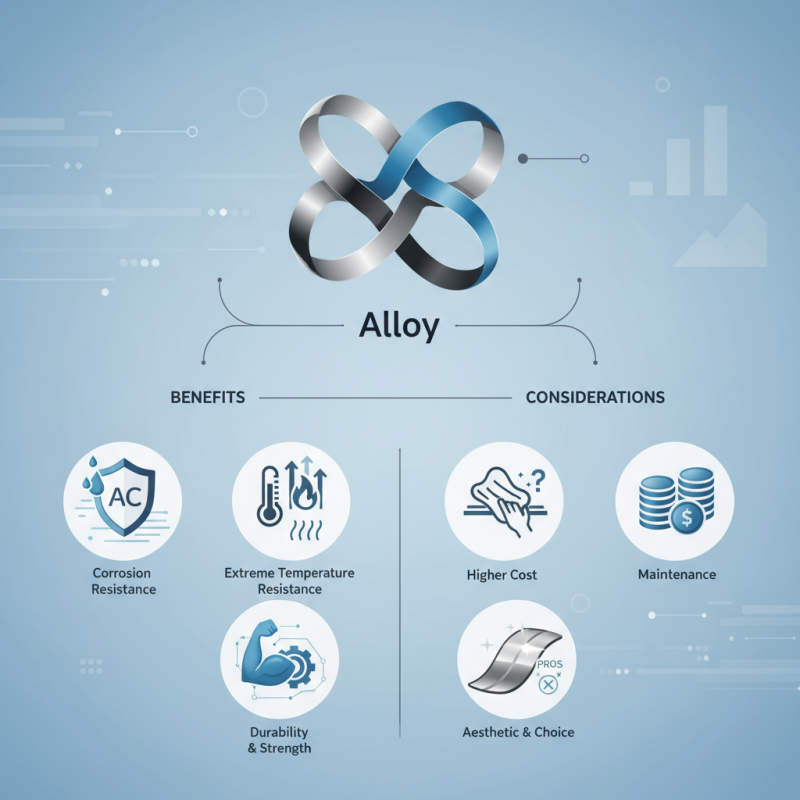
cast stainless steel is a unique material known for its durability and resistance to corrosion. This alloy combines iron, chromium, and nickel, making it versatile and strong. Its uses span various industries, from food processing to construction. However, it's essential to understand where it excels and where it may fall short.
One remarkable benefit of cast stainless steel is its ability to withstand extreme temperatures. It offers strength even in harsh conditions. For instance, it's often found in kitchen equipment and chemical tanks. These environments can be unforgiving, yet cast stainless steel holds up well.
Yet, there are some considerations. While cast stainless steel is tough, it can be more expensive than standard steel. Understanding the cost versus longevity is crucial. The aesthetic appeal of cast stainless steel also deserves attention. Its polished finish can enhance any project, but some may find it hard to maintain. Overall, recognizing both the advantages and disadvantages is key to making informed choices.
What is Cast Stainless Steel? Definition and Composition Explained
Cast stainless steel is a unique material widely used in various industries. It is made by melting stainless steel and pouring it into molds. The composition typically includes chromium, nickel, and molybdenum, providing excellent corrosion resistance. This alloy can withstand harsh environments and high temperatures. According to industry reports, cast stainless steel has shown a significant increase in demand, projected to grow at a compound annual growth rate (CAGR) of around 5% over the next five years.
One interesting aspect of cast stainless steel is its versatility. It can be molded into intricate shapes, making it ideal for complex components like valves and pumps. However, achieving consistent quality can be challenging. Variations in composition or casting methods can lead to defects. Manufacturers need to focus on quality control processes to mitigate these issues.
While cast stainless steel offers many advantages, it also has limitations. The cost of production is typically higher than that of carbon steel. Additionally, its heavier weight may be a drawback in applications where lightweight materials are preferred. These factors require careful consideration before choosing cast stainless steel for specific projects.
The Manufacturing Process of Cast Stainless Steel: Key Techniques
The manufacturing process of cast stainless steel involves several key techniques that contribute to its quality and performance. Initially, the raw materials are carefully selected. The process starts with melting high-grade stainless steel in a furnace, where precise temperatures are maintained. The molten steel is then poured into molds, taking on specific shapes. These molds are often made from sand or metal, depending on the desired outcome.
Once cooled, the castings undergo treatment. Heat treatments enhance mechanical properties, ensuring durability and strength. Surface finishing techniques, like polishing, enhance appearance and resistance to corrosion. It's important to note that sometimes imperfections occur during this process. Inclusions or voids can affect the final product, necessitating thorough inspections.
Inspection methods are critical. Non-destructive testing, such as ultrasonic testing, helps identify internal flaws. However, these techniques can be costly and time-consuming. Manufacturers must balance quality control with production efficiency. Often, decisions lead to trade-offs between time and quality. Finding the right approach is essential for producing reliable cast stainless steel components.
Key Properties of Cast Stainless Steel: Strength, Durability, and Corrosion Resistance
Cast stainless steel is known for its impressive strength. This material can easily withstand heavy loads without deforming. It’s ideal for a variety of construction projects. Structures made from this steel can remain stable under significant pressure. Sometimes, however, the casting process can leave small imperfections. These defects may affect overall performance, which is worth considering.
Durability is another significant advantage of cast stainless steel. It can endure harsh environmental conditions. This includes exposure to chemicals and extreme temperatures. Many industries benefit from this durability. Yet, not all cast stainless steel is created equally. Different grades offer varying levels of resilience. This difference can impact the choice in specific applications.
Corrosion resistance is perhaps the most notable property. Cast stainless steel resists rust and corrosion better than many metals. Its protective layer helps maintain its appearance over time. However, if the surface is scratched, corrosion can occur more easily. Regular maintenance is crucial to prevent this issue. An oversight in care might lead to unexpected repairs. Thus, while the benefits are many, some challenges remain.
Top Benefits of Cast Stainless Steel
Top Benefits of Cast Stainless Steel in Industrial Applications
Cast stainless steel has become a go-to material in many industrial applications. One notable benefit is its impressive corrosion resistance. This property is crucial in environments prone to moisture or chemical exposure. Fabricators often find that cast stainless steel parts last longer than their counterparts made from traditional materials.
Another advantage lies in its strength and durability. Cast stainless steel maintains its integrity under extreme conditions, such as high temperatures or pressure. This makes it ideal for components in power generation or petrochemical industries. However, casting can sometimes result in inconsistent quality. Manufacturers must adhere to strict quality control measures to avoid defects in production.
Moreover, the versatility of cast stainless steel cannot be overlooked. It can be molded into complex shapes, which allows for innovative designs. This flexibility is beneficial for custom applications. Still, some designs may face challenges during the casting process. It is essential to balance creativity with practicality to achieve optimal results.
Market Insights: Growth Trends and Demand for Cast Stainless Steel Products
The demand for cast stainless steel products is on the rise, driven by various industries. Construction, automotive, and aerospace sectors are particularly interested. These industries favor cast stainless steel for its durability and resistance to corrosion. As projects grow larger and more complex, the need for robust materials is paramount.
Market insights reveal several growth trends. Innovations in manufacturing processes are making cast stainless steel more accessible. This trend enhances its appeal to smaller companies, contributing to increased competition. However, challenges exist. Not all manufacturers can keep up with evolving standards. This leads to quality inconsistencies, which may impact market stability.
Consumer awareness also drives demand for sustainable options. Eco-friendly attributes of cast stainless steel attract environmentally conscious businesses. Still, some may overlook the impact of production on the environment. Balancing quality, sustainability, and cost remains a work in progress for many manufacturers. As the market evolves, ongoing reflections on these aspects will shape the future of cast stainless steel products.